


$1.49
That is why custom boxes in Pittsburgh, PA should be developed around the product, the way it is handled, and how it reaches the customer.
Custom packaging can be produced for industrial products, electronics, healthcare-related products, retail merchandise, food, e-commerce orders, promotional materials, gifts, and many other applications.
Live chat with our expert to place an order or email us at info@cheapcustombox.com for price quotes.
(Minimum Order Quantity – 250)
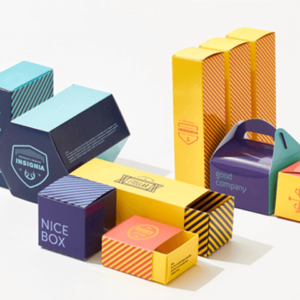
Custom Boxes Pittsburgh PA
Packaging requirements can be very different from one product to another.
A manufacturer may need a box that protects a component during transportation. A technology company may need precisely fitted packaging for a device or accessory. A healthcare business may require organized cartons for product kits. A retail company may be more concerned with shelf presentation and printed information.
That is why custom boxes in Pittsburgh, PA should be developed around the product, the way it is handled, and how it reaches the customer.
Custom packaging can be produced for industrial products, electronics, healthcare-related products, retail merchandise, food, e-commerce orders, promotional materials, gifts, and many other applications.
The right box can combine structural requirements with printing, product organization, and practical shipping considerations.
Packaging Built Around the Product
The starting point for a custom box should be the item going inside it.
Before selecting a box style, consider:
- Product length, width, and height
- Product weight
- Shape
- Fragility
- Number of components
- Accessories included with the product
- Required inserts
- Shipping method
- Retail presentation
- Storage requirements
- Quantity required
A box that is too large can allow the contents to move unnecessarily. A box that is too small may not leave enough room for inserts or protective material.
The goal is to develop dimensions that work with the actual product rather than selecting a standard carton and trying to make the product fit.
Custom Printed Boxes Pittsburgh
Printed packaging gives businesses an opportunity to communicate information directly on the package.
Custom printed boxes in Pittsburgh can incorporate:
- Company logos
- Product names
- Brand colours
- Product photography
- Instructions
- Technical information
- Barcodes
- Contact details
- Website information
- Marketing messages
The amount of printing should reflect the purpose of the package.
A technical component may need straightforward identification and handling information, while a consumer product may benefit from more visual artwork.
For businesses with multiple products, a consistent printing system can make different packages look like part of the same product family.
Packaging for Pittsburgh Manufacturing Companies
Manufacturing remains an important consideration when developing packaging for the Pittsburgh market.
Manufacturers may need boxes for:
- Machine components
- Replacement parts
- Fabricated products
- Hardware
- Tools
- Electrical components
- Industrial accessories
- Finished consumer products
- Product samples
Industrial packaging often has different priorities from retail packaging.
The box may need to withstand stacking, repeated handling, warehouse movement, or transportation over longer distances.
The dimensions and material should therefore be selected according to the actual weight and handling requirements.
Boxes for Industrial Components and Parts
Small industrial components can present an unusual packaging challenge.
A part may be relatively heavy compared with its size, or it may have edges, protrusions, delicate surfaces, or multiple components that need separation.
Custom boxes can be developed with:
- Internal dividers
- Die-cut inserts
- Partitions
- Protective pads
- Individual compartments
- Custom-fit cavities
This can reduce unnecessary movement inside the carton and make parts easier to identify when the package is opened.
For businesses shipping replacement parts, a consistent box system can also simplify recurring orders.
Packaging for Robotics and Technology Products
Pittsburgh has a strong technology and robotics presence, creating packaging needs that differ from ordinary consumer goods.
Technology products may include:
- Robotics components
- Sensors
- Electronics
- Control equipment
- Hardware accessories
- Small devices
- Prototype equipment
- Technical kits
Packaging for these products often needs to balance protection with organization.
An insert can create dedicated spaces for the main device, cables, accessories, manuals, or other components.
For products that will be demonstrated to customers or investors, the package may also need to provide a clean presentation when opened.
Custom Boxes for Electronics
Electronics often contain several components that need to remain organized.
A custom electronics box can be designed around:
- Main device
- Charger
- Cables
- Adapters
- Controls
- Accessories
- Printed instructions
- Warranty information
The exterior can communicate model information and branding while the interior keeps the individual components separated.
For smaller electronics, a folding carton or tuck box may be appropriate.
For higher-value devices, a more substantial structure with a custom insert may be considered.
Healthcare and Medical Product Packaging
Healthcare-related businesses can have specific packaging requirements depending on the product.
Custom boxes may be used for:
- Healthcare products
- Medical accessories
- Diagnostic equipment
- Laboratory items
- Wellness products
- Product kits
- Educational materials
- Healthcare-related components
Packaging should be specified according to the actual product and applicable requirements.
Where labeling, handling, protection, or regulatory information is necessary, those considerations should be addressed during the packaging development process.
Packaging for Product Kits
Some businesses do not sell one item at a time.
Instead, they provide a group of products or components as a kit.
A custom kit box can organize:
- Main product
- Accessories
- Replacement parts
- Instructions
- Samples
- Promotional materials
- Technical documents
Internal dividers or inserts can create a defined position for each component.
This can be particularly useful when the customer needs to identify several pieces immediately after opening the package.
Custom Boxes for Retail Products
Retail packaging has a different objective from industrial shipping packaging.
A retail box may need to communicate what the product is before the customer picks it up.
Custom retail boxes can provide space for:
- Product names
- Features
- Specifications
- Instructions
- Brand messaging
- Photography
- Barcodes
- Usage information
The box structure should also work with the way the product is displayed.
Depending on the application, packaging may be designed for shelf placement, hanging, stacking, or another retail presentation.
Folding Cartons for Consumer Products
Folding cartons provide a versatile option for many consumer products.
They can be used for:
- Beauty products
- Small electronics
- Food products
- Personal care
- Accessories
- Specialty products
- Household items
They are generally lighter and easier to store than more substantial rigid packaging.
The structure can be selected around the product dimensions and the desired opening method.
Printing can then provide the visual and informational elements required for the package.
Custom Tuck Boxes Pittsburgh
Tuck boxes are another practical folding format for compact products.
They can work well for:
- Small accessories
- Cosmetics
- Promotional products
- Specialty goods
- Cards and small items
- Retail merchandise
- Product samples
Different tuck structures can provide different closing and opening characteristics.
For a simple retail item, a straightforward tuck box may provide everything needed without adding unnecessary structural complexity.
E-Commerce Packaging for Pittsburgh Businesses
Selling online introduces another set of packaging considerations.
The package may travel through:
Fulfillment → handling → transportation → delivery → customer opening
A product box designed primarily for retail display may not be sufficient as the only shipping layer.
Depending on the product, an e-commerce order may use:
- A printed product box
- A custom mailer
- Protective inserts
- An inner carton
- An outer shipping carton
The correct combination depends on product size, weight, fragility, and shipping requirements.
Custom Mailer Boxes Pittsburgh
Mailer boxes combine product presentation with a practical shipping structure.
Custom mailer boxes in Pittsburgh can be developed for:
- Online retailers
- Subscription companies
- Consumer brands
- Apparel
- Accessories
- Beauty products
- Specialty products
- Promotional shipments
A mailer can carry printed branding while providing a convenient opening structure.
For recurring e-commerce orders, standardizing a few mailer sizes can also make fulfillment easier.
Corrugated Shipping Boxes
When protection during transportation is the priority, corrugated packaging may be more appropriate than a lightweight retail carton.
Corrugated shipping boxes can be developed around:
- Product weight
- Shipping distance
- Stacking requirements
- Internal protection
- Palletization
- Storage conditions
- Handling requirements
Industrial and manufacturing companies may need stronger structures than businesses shipping lightweight consumer goods.
The appropriate board construction should be selected according to the actual application rather than assuming every shipment requires the same strength.
Packaging for Distribution and Warehousing
Businesses that distribute products need to consider what happens after the box leaves production.
Packaging may be:
- Stored in a warehouse
- Picked for individual orders
- Packed into larger shipments
- Stacked on pallets
- Transported between facilities
- Delivered to retailers
- Sent directly to customers
A practical packaging specification considers the full movement of the product.
For businesses with recurring shipments, consistent dimensions can also make storage and fulfillment more predictable.
Food and Specialty Product Boxes
Pittsburgh businesses selling food and specialty products can use custom packaging to create a recognizable product presentation.
Applications may include:
- Specialty foods
- Bakery products
- Confectionery
- Coffee
- Gift food
- Dry goods
- Product assortments
- Seasonal food collections
Food packaging should be specified according to the product and applicable food-contact and labeling requirements.
For giftable food products, the exterior design can also help distinguish everyday products from seasonal or special collections.
Bakery and Confectionery Packaging
Bakery products often need packaging that accommodates both presentation and handling.
Custom boxes may be considered for:
- Cookies
- Pastries
- Chocolates
- Baked goods
- Dessert collections
- Gift assortments
Depending on the product, the box may include windows, internal supports, compartments, or other features.
The dimensions should account for the actual product rather than leaving excessive empty space.
Custom Boxes for Consumer Brands
A consumer brand may sell through several channels at once.
For example, a product might be:
- Sold through a website
- Displayed in a retail store
- Included in a gift set
- Shipped through a distributor
- Used in promotional campaigns
The packaging system should account for those different environments.
Some products may use a retail carton as the primary package and a separate shipping carton for transportation.
Others may use a mailer that serves both packaging and shipping purposes.
Packaging for Corporate and Promotional Programs
Businesses also need boxes for products that are not sold directly.
Custom boxes can be used for:
- Corporate gifts
- Employee recognition
- Customer gifts
- Product samples
- Conference materials
- Promotional kits
- Media packages
- Sales kits
A custom box can organize several items into a single presentation.
For example, a promotional package could contain a product sample, printed information, accessories, and a small gift.
Trade Show and Demonstration Packaging
Technology and industrial businesses may need packaging for demonstrations and events.
A demonstration kit could include:
- Product hardware
- Accessories
- Printed specifications
- Brochures
- Setup instructions
- Promotional materials
The box can be designed so that the contents are easy to remove, identify, and repack.
This can be especially useful when equipment or demonstration products travel repeatedly between locations.
Custom Gift Boxes Pittsburgh
Gift packaging can require a different balance between structure and appearance.
Custom gift boxes can be created for:
- Corporate gifts
- Client gifts
- Employee programs
- Holiday collections
- Product bundles
- Anniversary products
- Special releases
The interior can include an insert or divider system when multiple products need to be arranged together.
A two-piece rigid box may be appropriate for a high-value presentation, while a printed folding carton can be sufficient for a simpler gift package.
Custom Rigid Boxes
Rigid packaging can be considered when the box itself needs to make a stronger physical impression.
Rigid boxes are often used for:
- Jewelry
- Electronics
- Corporate gifts
- Specialty products
- High-value accessories
- Collector products
- Product sets
Possible structures include:
- Two-piece boxes
- Magnetic closure boxes
- Drawer boxes
- Hinged-lid boxes
Custom inserts can be added when the product needs to remain precisely positioned.
Product Inserts and Internal Organization
The inside of the box should not be treated as an afterthought.
An insert can:
- Hold the product in position
- Separate components
- Prevent movement
- Protect delicate surfaces
- Organize accessories
- Improve presentation
Inserts may be particularly useful for electronics, medical-related products, technical equipment, gift sets, and products containing multiple components.
The insert dimensions should be developed together with the outer box.
Packaging for Multiple SKUs
A business with several products may need a packaging system rather than a collection of unrelated boxes.
A coordinated system can use:
Shared visual elements
Logo, typography, colour system, and general design language.
Product-specific information
Model, size, variant, flavour, specification, or product name.
Different structures
Individual box dimensions can change according to each product.
This approach allows a product range to look consistent without forcing every item into the same box.
Small-Batch Packaging and Product Testing
New products do not always begin with large production quantities.
A startup or manufacturer may first need packaging for:
- Prototypes
- Samples
- Pilot products
- Investor demonstrations
- Trade shows
- Initial retail testing
- Product photography
Starting with the actual product specifications can help determine whether the initial packaging should be a simple structure or a more developed production design.
Once the product gains traction, the packaging can be refined for larger recurring quantities.
Retail Display and Window Packaging
Some products benefit from allowing the customer to see the contents.
Depending on the structure, a window can provide visibility without requiring the package to be opened.
Window packaging can be considered for:
- Food gifts
- Bakery products
- Accessories
- Retail merchandise
- Specialty products
- Gift collections
The placement and size of the window should work with both the product and the printed artwork.
Packaging for Wholesale Customers
Wholesale packaging needs to work beyond the final customer.
Products may move from:
Manufacturer → distributor → retailer → customer
At each stage, the package may be handled, stored, stacked, and transported.
Wholesale packaging can therefore require attention to:
- Carton dimensions
- Product protection
- Stackability
- Storage
- Identification
- Shipping efficiency
- Consistent production
A packaging system designed for recurring wholesale orders can make replenishment easier to manage.
Manufacturing Packaging vs. Retail Packaging
One of the most important decisions is determining what the box is actually expected to do.
Manufacturing packaging
Usually emphasizes:
- Protection
- Strength
- Part organization
- Storage
- Transportation
- Identification
Retail packaging
Usually emphasizes:
- Product presentation
- Printed information
- Shelf visibility
- Opening experience
- Brand consistency
E-commerce packaging
Usually combines:
- Product presentation
- Shipping protection
- Convenient opening
- Practical dimensions
- Branding
Some businesses require all three.
In those cases, separate primary and shipping packaging may be the most practical solution.
Materials and Box Construction
Material selection should follow the requirements of the product.
Factors may include:
- Product weight
- Fragility
- Shipping conditions
- Required rigidity
- Printing requirements
- Storage
- Box dimensions
- Desired appearance
Paperboard may work well for lightweight retail products.
Corrugated board can provide greater structural protection for shipping and heavier applications.
Rigid construction can be considered when presentation and substantial structure are important.
The correct choice depends on the project rather than simply selecting the most expensive material.
Printing and Finishing Options
Custom packaging can be printed using different approaches depending on the structure and artwork.
Potential finishing options include:
- Matte coating
- Gloss coating
- Soft-touch surfaces
- Foil stamping
- Embossing
- Debossing
- Spot UV
- Die-cut details
- Printed interiors
Finishing should be selected according to the role of the package.
A technical shipping carton may only require clear identification and a logo.
A retail or gift package may justify additional visual details.
Artwork and Dieline Preparation
Packaging artwork needs to account for the physical construction of the box.
Before finalizing a design, consider:
- Finished dimensions
- Fold positions
- Glue areas
- Tuck flaps
- Bleed
- Safe areas
- Die-cut lines
- Window locations
- Insert positions
- Barcode placement
- Printing requirements
The artwork should be created for the actual box structure rather than treating packaging as a flat printed surface.
If the structure has not yet been selected, establish the box specifications before finalizing the artwork.
How Much Do Custom Boxes Cost?
There is no single price for custom boxes.
The quotation can depend on:
- Box dimensions
- Material
- Box style
- Quantity
- Printing coverage
- Finishing
- Inserts
- Die-cutting
- Structural complexity
- Shipping requirements
A basic folding carton will have different production requirements from a rigid box with a fitted insert.
Likewise, a lightweight mailer will differ from a heavy-duty corrugated carton designed for industrial products.
Providing complete specifications makes it easier to evaluate the project accurately.
How to Prepare a Custom Box Quote
Before requesting pricing, gather the information that defines the package.
Useful specifications include:
- Product dimensions
- Product weight
- Desired quantity
- Preferred box structure
- Artwork or logo files
- Printing requirements
- Insert requirements
- Finishing preferences
- Intended sales channel
- Shipping requirements
If you do not know which structure to choose, start by explaining the product and how it will be sold or shipped.
That information can help identify the most appropriate packaging direction.
Designing Packaging for a Growing Product Line
Packaging decisions become more complicated as a business adds products.
Instead of creating each box independently, consider establishing a packaging family.
For example:
Small format: accessories and compact products
Medium format: standard consumer products
Large format: kits, bundles, and larger merchandise
Different structures can still share the same visual identity.
This can simplify artwork, ordering, storage, and brand consistency.
Reordering Custom Boxes
Packaging should also be considered from the perspective of future orders.
If a product is expected to sell repeatedly, keep records of:
- Final box dimensions
- Material specification
- Printing files
- Finishing requirements
- Insert dimensions
- Quantity ordered
- Product version
Maintaining consistent specifications can make future reorders easier and reduce the risk of unintended changes.
Request Custom Boxes in Pittsburgh
If you need packaging for a manufactured component, technology product, healthcare-related item, retail product, food product, e-commerce order, gift set, or another application, start with the product itself.
Provide the dimensions, weight, quantity, preferred box style, artwork, and intended use.
Whether you already know you need a mailer, folding carton, corrugated shipping box, tuck box, rigid box, or custom structure, those specifications can form the starting point for a packaging quotation.
Request a custom box quote for your Pittsburgh business today.
Frequently Asked Questions
What are custom boxes?
Custom boxes are packaging produced according to specific product dimensions, materials, printing requirements, structural specifications, and quantities.
Can I order custom boxes in Pittsburgh, PA?
Yes. Custom packaging can be developed for Pittsburgh businesses in manufacturing, technology, healthcare, retail, food, e-commerce, industrial products, and other sectors.
What types of custom boxes are available?
Depending on the application, options can include folding cartons, tuck boxes, mailer boxes, product boxes, corrugated shipping cartons, display boxes, gift boxes, and rigid boxes.
Can custom boxes be used for manufacturing?
Yes. Manufacturing packaging can be designed around components, parts, finished products, equipment, and other industrial applications.
Can I get boxes for electronics and technology products?
Yes. Electronics packaging can include custom dimensions and inserts designed around devices, cables, chargers, accessories, and other components.
Can custom packaging be used for healthcare products?
Yes. Healthcare-related products can use custom cartons, product boxes, kits, and other packaging formats depending on the product and applicable requirements.
Are custom mailer boxes suitable for e-commerce?
Yes. Mailer boxes can combine product presentation with a practical structure for direct-to-customer shipments.
Can custom boxes include inserts?
Yes. Inserts can organize components, support products, prevent movement, and improve the presentation inside the box.
Can I order packaging for multiple products?
Yes. A coordinated packaging system can be developed across multiple SKUs while allowing each product to have its own dimensions and specifications.
What affects the price of custom boxes?
Pricing can vary according to dimensions, materials, structure, quantity, printing, finishing, inserts, die-cutting, and other production requirements.
What information do I need for a custom box quote?
Product dimensions, weight, quantity, preferred structure, artwork, printing requirements, insert requirements, and intended use are useful starting specifications.
Can custom boxes be used for both retail and shipping?
They can, depending on the product and structure. In some cases, the most practical solution is to use a printed product box inside a separate shipping carton or mailer.
Related Custom Packaging Options
Different products may require different packaging formats.
Explore related solutions such as:
- Custom Mailer Boxes for e-commerce and direct-to-customer shipments
- Custom Tuck Boxes for compact folding retail packaging
- Custom Product Boxes for consumer and specialty products
- Custom Cosmetic Boxes for beauty and personal-care products
- Custom Rigid Boxes for premium products and presentation
- Custom Gift Boxes for gifts, product sets, and corporate programs
- Custom Retail Packaging for shelf and point-of-sale applications
The best packaging structure depends on the product, the sales channel, the handling requirements, and the way you want the finished package to function.
Reviews
There are no reviews yet.
Related products

boxes near me

boxes near me

boxes near me

boxes near me

boxes near me

boxes near me
boxes near me

boxes near me
Be the first to review “Custom Boxes Pittsburgh PA”