


$1.49
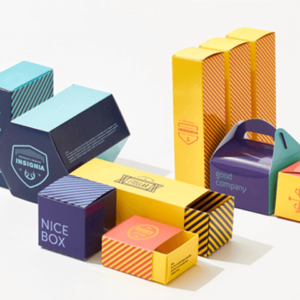
Our custom boxes in Philadelphia, PA can be produced around your product dimensions, preferred structure, artwork, materials, quantity, and intended application.
Live chat with our expert to place an order or email us at info@cheapcustombox.com for price quotes.
(Minimum Order Quantity – 250)
Custom Boxes Philadelphia PA
Packaging can serve very different purposes depending on the product.
A consumer product may need a box that communicates features and branding. A food product may require a package designed around presentation and handling. An electronic accessory may need internal organization. An e-commerce shipment may need a combination of product presentation and shipping protection.
For Philadelphia businesses, custom boxes provide a way to develop packaging around these specific requirements rather than relying entirely on standard stock sizes.
Our custom boxes in Philadelphia, PA can be produced around your product dimensions, preferred structure, artwork, materials, quantity, and intended application.
Whether you are developing packaging for healthcare-related products, specialty foods, retail merchandise, cosmetics, electronics, gifts, or online orders, the packaging can be planned around how the product is actually used and delivered.
Packaging Built Around the Application
The most useful packaging starts with a clear understanding of what the box needs to do.
Consider:
- What product is going inside?
- How large and heavy is it?
- Is it sold individually or as part of a set?
- Will it be shipped?
- Will it appear on a retail shelf?
- Does it require an insert?
- Does the customer need product information on the package?
- How many units are required?
These questions help determine the appropriate combination of structure, material, printing, and finishing.
A simple retail carton and a protective shipping box may both be called packaging, but they serve very different purposes.
Custom Printed Boxes Philadelphia
Custom printed boxes in Philadelphia can turn the package into an extension of the product’s identity.
Depending on the application, artwork may include:
- Logo
- Product name
- Brand colours
- Product photography
- Illustrations
- Instructions
- Specifications
- Ingredients
- Contact information
- Barcode information
- Promotional messaging
The amount of information should reflect the product and where it will be sold.
A specialty retail product may need detailed information across several panels, while a premium product may use a much simpler visual treatment.
Packaging for Healthcare and Specialty Products
Philadelphia has a strong presence across healthcare and related professional industries, and products in these categories can require careful packaging planning.
Depending on the product, custom packaging may be used for:
- Healthcare accessories
- Medical-related products
- Personal-care products
- Professional supplies
- Educational materials
- Specialty equipment
- Product kits
Packaging for regulated products should be developed according to the applicable product, labeling, handling, and regulatory requirements.
The box can provide space for required information while protecting and organizing the contents.
Product Kits and Healthcare Packages
Some products are distributed as kits rather than individual items.
A custom kit box can organize:
- Multiple components
- Instructions
- Accessories
- Product information
- Supporting materials
An internal insert or divider can assign a specific location to each component.
This can make the contents easier to identify and can reduce unnecessary movement inside the package.
For professional or technical products, the interior arrangement can be just as important as the exterior printing.
Food Packaging for Philadelphia Brands
Food packaging has to balance appearance with practical requirements.
Custom boxes can be considered for suitable packaged food applications such as:
- Specialty foods
- Bakery products
- Confectionery
- Gourmet gift collections
- Dry goods
- Product assortments
- Seasonal food products
The box can communicate product identity while providing a defined structure around the contents.
Food packaging should be specified according to the actual product and any applicable food-contact, labeling, handling, and regulatory requirements.
Bakery and Confectionery Boxes
Bakeries and confectionery businesses often rely on packaging to complete the presentation of the product.
Custom boxes can be developed for:
- Cookies
- Pastries
- Chocolates
- Dessert collections
- Seasonal assortments
- Gift boxes
- Specialty baked goods
A window may be appropriate when customers benefit from seeing the product before opening the package.
A fully printed structure may instead be preferred when the brand presentation is the primary focus.
The box dimensions should be based on the actual product rather than leaving excessive empty space.
Retail Packaging for Philadelphia Products
Retail packaging has to communicate quickly.
A customer may first see the front panel, then examine the sides and back for more information.
A retail box may include:
- Product name
- Product variant
- Key features
- Specifications
- Instructions
- Ingredients
- Usage information
- Brand information
- Barcode
- Contact details
The visual hierarchy matters.
Important information should be easy to identify without making the package feel crowded.
Custom Folding Cartons
Folding cartons can be useful for many retail applications.
They can be designed for:
- Consumer products
- Cosmetics
- Accessories
- Small electronics
- Specialty goods
- Personal-care products
- Retail merchandise
A folding carton can provide a large printable surface while using a relatively straightforward structure.
The appropriate board specification and construction depend on the product, dimensions, weight, and intended use.
Tuck Boxes for Compact Products
Tuck boxes provide another practical folding format.
They can be considered for products such as:
- Small accessories
- Cosmetics
- Promotional items
- Specialty products
- Consumer goods
- Lightweight merchandise
The closing flaps create a straightforward package while the exterior provides space for branding and product information.
For smaller products, a custom-sized tuck box can also avoid the unnecessary space associated with a standard oversized carton.
E-Commerce Packaging in Philadelphia
Online businesses have a different relationship with packaging.
A customer may never see the product on a physical shelf. Instead, the first physical brand interaction may occur when the package arrives at the customer’s door.
A typical journey can involve:
Order → fulfillment → packing → transportation → delivery → opening
Custom packaging can be designed with that journey in mind.
Depending on the product, an e-commerce order may use:
- A printed product box
- A mailer box
- An inner carton
- A protective insert
- An outer shipping carton
The appropriate combination depends on the product and shipping requirements.
Custom Mailer Boxes
A mailer box can combine branded presentation with direct shipping.
Custom mailers can be considered for:
- Online retail
- Subscription products
- Apparel
- Accessories
- Beauty products
- Gifts
- Small consumer goods
- Promotional shipments
The dimensions should account for the product and any protective materials placed inside.
For businesses shipping frequently, consistent box dimensions can also make packing and storage more predictable.
Subscription Product Packaging
Subscription businesses repeatedly send products to customers, making packaging consistency particularly important.
A subscription box may contain:
- Several products
- Samples
- Promotional cards
- Product information
- Seasonal items
- Special offers
The internal layout can be designed to create a clear arrangement when the customer opens the package.
The same structural format can then be used for recurring shipments while the contents change from one order to another.
Cosmetics and Personal-Care Packaging
Beauty products often rely on packaging to establish product identity.
Custom cosmetic boxes can be developed for:
- Skincare
- Makeup
- Hair-care products
- Personal-care products
- Beauty accessories
- Product kits
- Gift collections
A coordinated design can give several SKUs a common visual identity while allowing each product to have its own name, colour, or artwork.
For premium products, selected finishing techniques can add tactile or visual detail.
Electronics and Accessories
Electronics packaging often has to accommodate several individual components.
A box may need space for:
- Main device
- Charger
- Cable
- Adapter
- Accessories
- Manuals
- Product cards
A custom insert can divide these components into separate areas.
This can improve organization and create a cleaner presentation when the package is opened.
For smaller electronics, precise dimensions can also help prevent the product from moving unnecessarily inside the box.
Packaging for Consumer Products
Consumer products can require different combinations of presentation, information, and protection.
Custom product boxes can be designed for:
- Household products
- Lifestyle merchandise
- Personal accessories
- Specialty goods
- Hobby products
- Small equipment
- Retail merchandise
The package can be designed around the product’s physical dimensions while providing appropriate surfaces for branding and product information.
Premium and Gift Packaging
Gift packaging often needs to create a stronger presentation than standard product packaging.
Custom gift boxes can be developed for:
- Corporate gifts
- Client gifts
- Holiday collections
- Employee gifts
- Product bundles
- Special editions
- Promotional programs
A larger box can hold multiple coordinated products.
Custom compartments or inserts can keep the contents arranged rather than allowing several individual products to shift around inside the package.
Rigid Boxes for Premium Products
Rigid boxes are appropriate for applications where the packaging itself is part of the presentation.
Potential uses include:
- Jewelry
- Watches
- Premium electronics
- Cosmetics
- Luxury accessories
- Corporate gifts
- Collector products
- High-value product sets
Possible structures include two-piece boxes, drawer boxes, magnetic closure boxes, and hinged-lid designs.
The appropriate construction depends on the product and the type of opening experience the brand wants to create.
Packaging for Product Bundles
A product bundle can require a different box from the individual products it contains.
Custom bundle packaging can be designed for:
- Starter kits
- Gift sets
- Product collections
- Promotional bundles
- Seasonal assortments
- Multi-product packages
The interior should be planned around the complete set.
An insert can create individual spaces for each product while allowing the overall package to remain compact.
Multiple SKUs and Packaging Systems
A growing company may eventually have dozens of products.
Creating every package independently can make the product range feel inconsistent.
A packaging system can establish common elements such as:
Brand elements: logo, typography, colours, and general visual language.
Product elements: product name, variant, model, size, or flavour.
Structural elements: box formats and dimensions appropriate to each SKU.
This gives individual products flexibility while maintaining a recognizable brand family.
Packaging for Wholesale Products
Wholesale products may travel through several stages before reaching the end customer.
Packaging may be handled by:
- Manufacturers
- Distributors
- Warehouses
- Retailers
- Fulfillment operations
- End customers
The package may therefore need to consider storage, handling, transportation, and retail presentation.
For companies with many SKUs, standardizing selected box dimensions can also simplify inventory planning.
Promotional and Corporate Packaging
Businesses may need custom boxes for marketing programs rather than regular retail sales.
Examples include:
- Product launch kits
- Client gifts
- Employee gifts
- Promotional campaigns
- Media packages
- Event merchandise
- Corporate presentations
The box can be designed around a specific campaign while retaining recognizable brand elements.
The contents may include products, printed materials, samples, or promotional merchandise.
Packaging for Product Launches
A new product often needs packaging that appears in multiple places before the product reaches customers.
The box may be photographed for:
- Online stores
- Advertising
- Social media
- Product announcements
- Retail displays
- Promotional campaigns
For that reason, packaging should be considered alongside the product launch rather than treated as a final-stage task.
Before production, confirm product dimensions, artwork, inserts, quantity, and delivery requirements.
Window and Display Packaging
Some products benefit from being visible before the customer opens the box.
A window can be incorporated into appropriate packaging for:
- Food products
- Gifts
- Beauty products
- Accessories
- Specialty merchandise
- Retail products
Display-oriented structures can also use die-cut panels or other features to present the product.
The window or display feature should be considered as part of the structural design rather than added after the artwork is complete.
Product Inserts and Internal Protection
The interior of a box can serve several purposes.
An insert can:
- Hold the product in position
- Separate components
- Protect selected areas
- Organize accessories
- Create compartments
- Improve presentation
For a product kit, the insert can give every component a defined location.
For a gift box, it can create a deliberate arrangement.
For shipping packaging, internal protection can help limit movement during transportation.
Packaging Materials
Material selection should follow the job the package needs to perform.
Paperboard
Paperboard can be suitable for folding cartons, tuck boxes, cosmetic packaging, and many retail products.
Corrugated Board
Corrugated board can provide additional structure for shipping and larger packages.
Rigid Board
Rigid board can be used where a substantial premium presentation is required.
Kraft Materials
Kraft-based materials can provide a natural visual character and may be suitable for selected retail, food, and shipping applications.
The final material specification should consider the product, weight, dimensions, construction, printing, and handling requirements.
Printing and Finishing Choices
Custom packaging can be visually adjusted through different printing and finishing techniques.
Depending on the project, options may include:
- Full-colour printing
- Matte lamination
- Gloss lamination
- Soft-touch finishes
- Foil stamping
- Embossing
- Debossing
- Spot UV
- Die-cut elements
A simple product may only need high-quality printing.
A premium package may benefit from selected finishing details.
The goal is to choose features that support the product and brand rather than adding unnecessary complexity.
Packaging Artwork
Artwork should be developed around the physical box structure.
Before finalizing the design, account for:
- Finished dimensions
- Fold lines
- Tuck flaps
- Glue areas
- Die-cut sections
- Barcode placement
- Product information
- Interior printing
A logo or important text should not accidentally cross a fold or structural area.
The dieline and artwork should therefore be reviewed together before production.
Packaging for Product Photography
The box may appear in product photography long before the customer receives it.
Consider how the package will look:
- Closed
- Open
- Beside the product
- With several SKUs
- In a flat-lay
- During an unboxing
- On a retail shelf
These considerations can influence logo placement, colour selection, typography, structural proportions, and interior design.
Sampling and Packaging Testing
A physical sample can be useful when the fit or structure is particularly important.
Before committing to a larger production quantity, the packaging can be evaluated for:
- Product fit
- Opening and closing
- Insert placement
- Appearance
- Packing process
- Shipping configuration
Testing can reveal structural issues that are difficult to identify from artwork alone.
For new products, this can be particularly useful before the packaging specification is finalized.
Reordering Custom Boxes
Packaging should be documented carefully when a product will require repeat production.
Keep records of:
- Final dimensions
- Material
- Box structure
- Artwork
- Printing specifications
- Finishing
- Insert configuration
- Quantity
A documented specification can make future reorders more consistent.
It can also make it easier to create related packaging for additional products.
What Determines Custom Box Pricing?
Custom packaging does not have one universal price.
The quotation can depend on:
- Box dimensions
- Material
- Construction
- Quantity
- Printing
- Finishing
- Inserts
- Die-cutting
- Special features
- Packaging complexity
A small folding carton has different production requirements from a large corrugated shipping box or premium rigid package.
For accurate pricing, provide the actual product and packaging specifications.
What to Prepare Before Requesting a Quote
A packaging quotation becomes easier to evaluate when the basic project information is available.
Prepare:
- Product dimensions
- Product weight
- Product photographs
- Quantity
- Preferred structure
- Material preference
- Artwork
- Printing requirements
- Insert requirements
- Finishing requirements
- Sales channel
- Shipping requirements
- Desired delivery timeline
If you do not know the appropriate structure, simply describe the product and explain how it will be sold or shipped.
A Practical Packaging Development Process
1. Define the Product
Measure the product and identify its weight, shape, and components.
2. Define the Purpose
Decide whether the package is intended for retail, shipping, e-commerce, gifting, wholesale, or another application.
3. Choose the Structure
Select a folding carton, tuck box, mailer, corrugated box, rigid box, or another suitable format.
4. Plan the Interior
Determine whether the package needs inserts, compartments, dividers, or protective components.
5. Develop the Artwork
Add branding, product information, graphics, and required details.
6. Review the Physical Design
Confirm dimensions, folds, closures, and other structural elements.
7. Confirm Quantity
Determine the production quantity and whether future reorders are expected.
Request Custom Boxes in Philadelphia
Need custom boxes in Philadelphia, PA for healthcare-related products, food, retail merchandise, cosmetics, electronics, e-commerce, gifts, or another product category?
Provide your product dimensions, quantity, preferred box style, artwork, material requirements, and any insert or finishing specifications.
If you are unsure which packaging format fits your product, start with the product dimensions and intended use. The structure can then be evaluated around the actual requirements.
Request a custom packaging quote today.
Frequently Asked Questions
What are custom boxes?
Custom boxes are packaging manufactured according to specific product dimensions, materials, structural requirements, artwork, and quantities.
Can I order custom printed boxes in Philadelphia?
Yes. Custom boxes can incorporate logos, product information, graphics, photography, instructions, and other artwork according to the selected packaging specifications.
What industries use custom packaging in Philadelphia?
Custom packaging can be used for healthcare-related products, food, retail, cosmetics, electronics, e-commerce, gifts, consumer products, specialty goods, and many other applications.
Can custom boxes be used for healthcare products?
Custom packaging can be developed for suitable healthcare-related products and kits. Any applicable labeling, handling, product, or regulatory requirements should be considered during packaging development.
Can food businesses use custom boxes?
Yes. Custom boxes can be developed for suitable food applications. The packaging should be specified according to the product and applicable food-contact, labeling, and handling requirements.
Can custom boxes be used for e-commerce?
Yes. Product boxes can be combined with mailer boxes, protective inserts, or outer shipping cartons depending on the product and shipping requirements.
Can custom boxes include inserts?
Yes. Inserts can hold products in position, separate components, organize accessories, and improve the interior presentation.
What is a folding carton?
A folding carton is a paperboard package designed to fold into its final shape. It is commonly used for many retail and consumer products.
Are rigid boxes suitable for premium products?
Rigid boxes can be appropriate when a more substantial package structure and presentation-focused opening experience are important.
What information is needed for a custom box quote?
Useful information includes product dimensions, weight, quantity, preferred structure, material, artwork, printing, inserts, finishing, and intended sales or shipping application.
What affects the cost of custom packaging?
Pricing can vary according to dimensions, materials, box structure, printing, finishing, inserts, die-cutting, quantity, and other project-specific requirements.
Related Packaging Products
Different products may require different packaging formats.
You may also want to explore:
- Custom Mailer Boxes for e-commerce and direct-to-customer shipments
- Custom Tuck Boxes for compact retail products
- Custom Cosmetic Boxes for beauty and personal-care products
- Custom Rigid Boxes for premium products and presentation
- Custom Product Boxes for retail and consumer goods
- Custom Gift Boxes for bundles, corporate gifts, and special collections
The right packaging format depends on the product, sales channel, handling requirements, and presentation you want customers to experience.
Reviews
There are no reviews yet.
Related products

boxes near me

boxes near me

boxes near me

boxes near me
boxes near me

boxes near me

boxes near me
boxes near me
Be the first to review “Custom Boxes Philadelphia PA”