



$1.49
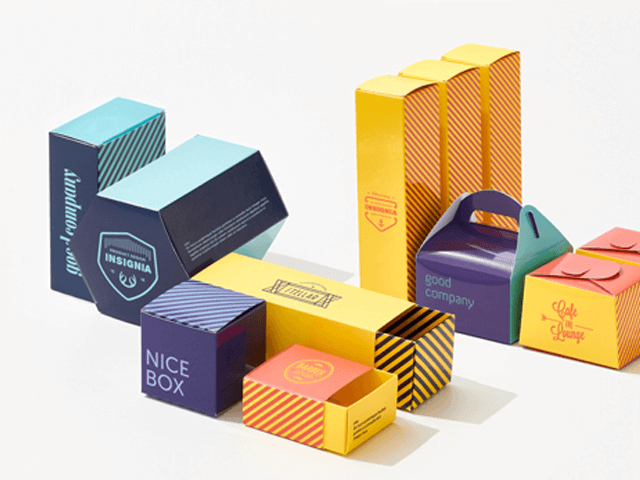
Our custom boxes in San Francisco, CA are developed around those practical and visual requirements.
Live chat with our expert to place an order or email us at info@cheapcustombox.com for price quotes.
(Minimum Order Quantity – 250)
Custom Boxes San Francisco CA
For a product brand, the box is part of the product experience.
The package may appear in a product photograph, sit on a retail shelf, arrive at a customer’s home, or be opened during a product launch. Its size, structure, artwork, and interior arrangement can all affect how the product is presented.
Our custom boxes in San Francisco, CA are developed around those practical and visual requirements.
Whether you are packaging a technology product, specialty food, beauty item, lifestyle product, retail merchandise, or e-commerce order, custom packaging can be specified around the product rather than forcing the product into a standard box.
Packaging for San Francisco Product Brands
San Francisco businesses can have very different packaging requirements.
A technology company may need a precise package for hardware and accessories.
A food brand may need a compact box for a specialty product.
A beauty company may want a refined retail carton.
An e-commerce business may prioritize an efficient mailer and a clean opening experience.
Custom packaging can be developed for:
- Technology products
- Electronics and accessories
- Beauty products
- Wellness products
- Specialty foods
- Coffee and tea products
- Retail merchandise
- Lifestyle products
- Gifts
- Subscription products
- E-commerce orders
- Promotional products
The structure should follow the product and the way customers receive it.
Design the Box Around the Product
Before choosing a box style, define the physical requirements.
Measure:
- Product length
- Product width
- Product height
- Product weight
- Number of components
- Accessories
- Fragile areas
- Required internal clearance
Then consider the customer’s interaction with the package.
Should the product be visible immediately?
Does it need an insert?
Will the box be shipped?
Will it sit on a retail shelf?
Will several products be packaged together?
These questions can determine the appropriate construction.
Custom Printed Boxes San Francisco
Custom printed boxes in San Francisco can give a product a consistent visual identity from the first physical interaction.
The package can include:
- Logo
- Product name
- Brand colours
- Typography
- Product photography
- Illustrations
- Patterns
- Product information
- Instructions
- Specifications
- Contact details
- Promotional messaging
A technology product may benefit from a restrained, information-focused layout.
A food or lifestyle product may use photography and stronger graphics.
A premium product may use minimal artwork combined with carefully selected finishing.
The design should reflect the product rather than follow a single packaging formula.
Technology Product Packaging
Technology products often create unusual packaging requirements because one product may include several components.
A custom box can be designed around:
- Main device
- Charging cable
- Power adapter
- Accessories
- Manuals
- Setup materials
- Product cards
An insert can give each component a defined position.
This can make the package easier to assemble and can create a more organized experience when the customer opens it.
For products that require technical information, the exterior or interior panels can also provide space for instructions and specifications.
Hardware and Electronics Packaging
Hardware products can range from small accessories to larger consumer devices.
Packaging may need to account for:
- Product weight
- Component protection
- Cable management
- Internal movement
- Product identification
- Shipping requirements
A custom insert can separate smaller accessories from the primary product.
For a retail package, the exterior can communicate product features.
For direct shipping, an additional protective structure may be appropriate.
Startup Product Launch Packaging
New products often need packaging before the product has established a large sales history.
The first packaging run may appear in:
- Launch photography
- Online product pages
- Press or promotional packages
- Retail presentations
- Demonstrations
- Customer orders
This makes accurate product measurements especially important.
Before finalizing the packaging, confirm the product dimensions, components, artwork, quantity, and intended sales channel.
A physical sample can also be useful for checking the fit and opening experience.
Packaging for E-Commerce Brands
An online product may have no physical shelf presence before the customer places an order.
The package becomes part of the transition from digital purchase to physical product.
A typical journey is:
Order → fulfillment → packing → transportation → delivery → opening
Custom packaging can be designed around that journey.
Depending on the product, the order may use:
- Product boxes
- Mailer boxes
- Inner cartons
- Protective inserts
- Outer shipping cartons
The best configuration depends on the product’s dimensions, fragility, weight, and shipping requirements.
Custom Mailer Boxes
Mailer boxes are useful when branded packaging also needs to function as the shipping container.
They can be considered for:
- E-commerce products
- Subscription services
- Apparel
- Accessories
- Beauty products
- Lifestyle merchandise
- Gifts
- Promotional shipments
A custom mailer can be sized around the actual product and designed with branded exterior or interior printing.
For recurring shipments, consistent box dimensions can also make storage and fulfillment easier to manage.
Subscription Packaging
Subscription businesses have a unique packaging requirement: the same basic experience may need to work repeatedly.
A subscription box may contain:
- Several products
- Samples
- Product information
- Promotional cards
- Seasonal items
- Special offers
The interior can be planned so the contents are presented in an intentional arrangement.
The outside can maintain the core brand identity while the contents change from one shipment to the next.
Food and Specialty Food Boxes
San Francisco food brands may need packaging that balances product presentation with practical requirements.
Custom boxes can be considered for suitable packaged products such as:
- Specialty foods
- Confectionery
- Bakery products
- Coffee products
- Tea products
- Gift food collections
- Dry goods
- Seasonal assortments
The box should be developed around the actual product dimensions and intended use.
Food packaging should also be specified according to applicable food-contact, labeling, handling, and regulatory requirements.
Bakery and Confectionery Packaging
Bakery and confectionery products often benefit from packaging that presents the contents clearly.
Custom boxes can be developed for:
- Cookies
- Chocolates
- Pastries
- Dessert collections
- Macarons
- Seasonal products
- Gift assortments
A window can be incorporated when product visibility is important.
A fully printed box may be preferable when the exterior brand presentation is more important.
The structure should also make it practical to place and remove the product without unnecessary handling.
Coffee and Tea Packaging
Specialty beverage products can use packaging to create a recognizable product family.
A box can communicate:
- Product name
- Blend or variety
- Product information
- Brand identity
- Preparation information
- Promotional messaging
Different varieties can use related artwork while changing colours or graphics to distinguish individual products.
The packaging structure should be selected according to the actual product and inner packaging being used.
Beauty and Personal-Care Packaging
Beauty packaging often has to communicate product identity quickly.
Custom boxes can be developed for:
- Skincare
- Makeup
- Hair-care products
- Personal-care products
- Beauty accessories
- Self-care kits
- Gift collections
A packaging system can establish common elements across a product line while allowing each SKU to have its own name, colour, or artwork.
For premium products, selected finishing techniques can add visual or tactile detail.
Wellness Product Boxes
Wellness products can be sold individually or as coordinated collections.
Custom packaging can be developed for:
- Wellness products
- Personal-care items
- Product kits
- Starter sets
- Accessories
- Gift collections
- Subscription products
For multi-item packages, inserts can organize the contents and create a deliberate opening sequence.
Any required product information should be incorporated into the artwork according to the applicable product requirements.
Lifestyle and Specialty Products
Many consumer brands sell products where packaging contributes heavily to the visual identity.
Examples include:
- Home accessories
- Personal accessories
- Candles
- Specialty merchandise
- Hobby products
- Small lifestyle goods
- Gifts
A custom product box can provide the dimensions and artwork needed to create a consistent presentation across an online store or retail collection.
Retail Packaging
Retail packaging has to communicate before the customer opens it.
The box may need to show:
- Product name
- Variant
- Key features
- Specifications
- Ingredients
- Instructions
- Brand information
- Barcode information
- Contact details
A clear information hierarchy helps the customer identify the product and understand its purpose quickly.
The front panel can focus on recognition while the sides and back provide additional information.
Folding Cartons
Folding cartons can be a practical choice for many retail products.
They can be developed for:
- Cosmetics
- Personal-care products
- Accessories
- Small electronics
- Consumer products
- Specialty goods
- Retail merchandise
The folding structure can provide substantial printable surface area without the heavier construction associated with rigid packaging.
Material, dimensions, closure style, and product weight should all be considered when selecting the carton specification.
Tuck Boxes
Tuck boxes use folding panels and closing flaps to create a straightforward retail package.
They may be suitable for:
- Small consumer products
- Accessories
- Cosmetics
- Promotional items
- Specialty merchandise
- Lightweight products
Custom dimensions can help the package fit the product more closely than a generic stock carton.
The exterior can carry branding and product information across multiple panels.
Premium Rigid Packaging
Rigid boxes can be appropriate when the package itself is intended to contribute significantly to the product presentation.
Potential applications include:
- Premium electronics
- Jewelry
- Watches
- Beauty collections
- Luxury accessories
- Corporate gifts
- Collector products
- High-value product sets
Structures can include:
- Two-piece boxes
- Magnetic closure boxes
- Drawer boxes
- Hinged-lid boxes
The appropriate structure depends on the product and the desired opening experience.
Packaging for Corporate Gifts
Businesses may need premium boxes for client gifts, employee programs, events, or promotional campaigns.
A corporate gift box can hold:
- Branded merchandise
- Product samples
- Accessories
- Printed materials
- Gift items
- Multiple products
An insert can keep the contents organized.
The exterior can use corporate branding while the interior can provide space for messaging or additional printed information.
Packaging for Events and Promotional Programs
Product brands may need special packaging for:
- Conferences
- Trade shows
- Product demonstrations
- Launch events
- Promotional campaigns
- Media packages
A custom box can be designed around the specific contents while maintaining the company’s visual identity.
Event packaging can also be designed so that the package is easy to transport before it is opened.
Product Bundles and Kits
A product bundle can require a different structure from an individual SKU.
Custom boxes can be developed for:
- Starter kits
- Product collections
- Gift sets
- Multi-packs
- Promotional bundles
- Seasonal assortments
The complete collection should be measured before the box dimensions are finalized.
An insert can provide separate positions for each item and help keep the overall arrangement compact.
Packaging for Multiple SKUs
A growing product range can become difficult to manage when every product uses completely different packaging.
A packaging system can establish common elements.
Brand elements: logo, typography, colour system, and visual language.
Product elements: product name, model, flavour, size, or variant.
Structural elements: box dimensions and constructions appropriate to each product.
This creates consistency without forcing every product into the same physical box.
Packaging for Small-Batch Products
Not every product launches at large volumes.
A business may first need packaging for a new product, limited collection, seasonal release, or market test.
The initial packaging specification can be evaluated for:
- Product fit
- Artwork
- Packing process
- Opening experience
- Shipping
- Customer presentation
Once the package has been tested, the same specification can potentially be used for later production runs.
Custom Inserts and Interior Design
The inside of a box can be designed to support both protection and presentation.
An insert can:
- Hold a product in position
- Separate components
- Organize accessories
- Create compartments
- Reduce movement
- Improve the product reveal
For technology products, this can create a structured component layout.
For gift collections, it can define the arrangement of several products.
For fragile products, the interior structure can provide additional support.
Choosing Packaging Materials
The appropriate material depends on the application.
Paperboard
Paperboard can work well for folding cartons, tuck boxes, cosmetic packaging, and many retail products.
Corrugated Board
Corrugated board can provide additional structure for shipping applications and larger packages.
Rigid Board
Rigid board can create a more substantial package for premium products and presentation-focused applications.
Kraft Materials
Kraft-based materials can provide a distinctive visual character and can be considered for selected retail, food, and shipping applications.
The final material specification should account for product weight, dimensions, construction, printing, and handling.
Printing and Finishing
Printing establishes the primary visual identity of the package.
Depending on the project, finishing options may include:
- Matte lamination
- Gloss lamination
- Soft-touch finishes
- Foil stamping
- Embossing
- Debossing
- Spot UV
- Die-cut elements
Not every package needs extensive finishing.
A simple printed design may be the right choice for one product, while a premium package may benefit from selected finishing details.
Material Claims and Packaging Information
Packaging artwork should describe materials and product information accurately.
If a brand wants to communicate a specific material characteristic, coating, certification, or disposal instruction, that information should be confirmed before it is printed.
This is particularly important when packaging includes claims about materials or recycling.
The safest approach is to use specific, supportable information rather than broad claims that may not accurately describe the finished package.
Artwork and Structural Design
A box design needs to work physically as well as visually.
Before approving artwork, check:
- Finished dimensions
- Fold lines
- Tuck flaps
- Glue areas
- Die-cut sections
- Printing surfaces
- Barcode placement
- Interior artwork
- Product information
Important design elements should remain clear and should not fall across structural areas.
The dieline and artwork should therefore be reviewed together.
Packaging and Product Photography
Packaging can become one of the most visible parts of an online product presentation.
Think about the box:
- Closed
- Open
- Beside the product
- With multiple SKUs
- In a flat-lay
- During an unboxing
- On a retail shelf
This can influence the placement of logos, product names, colours, and interior graphics.
A consistent packaging system can also make photography across multiple products more cohesive.
Packaging for Online and Retail Sales
Some brands sell through both direct-to-consumer channels and physical stores.
The same packaging may need to perform differently in each environment.
For example:
Retail: emphasis on product identification, shelf presentation, and printed information.
E-commerce: emphasis on shipping, product protection, opening experience, and fulfillment.
One option is to use a primary product box with a separate shipping mailer or outer carton.
The appropriate setup depends on the product and shipping process.
Wholesale and Distribution Packaging
Wholesale products may pass through manufacturers, distributors, warehouses, retailers, and fulfillment operations.
Packaging should therefore be considered from more than the customer’s perspective.
Consider:
- Storage
- Handling
- Stacking
- Product identification
- Transportation
- Retail presentation
- Quantity per shipment
For businesses with multiple SKUs, using related dimensions where practical can also simplify packaging inventory.
Sampling Before Production
A physical sample can be valuable when the structure or product fit is important.
A sample can help evaluate:
- Product fit
- Opening and closing
- Insert placement
- Artwork positioning
- Internal clearance
- Packing process
- Overall appearance
This can be especially useful for new products or packages with unusual structural requirements.
Reordering and Packaging Consistency
When a product will require repeat packaging orders, document the final specification.
Keep records of:
- Box dimensions
- Material
- Structure
- Artwork
- Printing
- Finishing
- Insert configuration
- Quantity
A consistent specification can make future production easier to manage.
It can also provide a starting point when developing packaging for related products.
What Determines the Cost of Custom Boxes?
Custom box pricing can vary substantially from one project to another.
Factors may include:
- Box dimensions
- Material
- Structural design
- Quantity
- Printing
- Finishing
- Inserts
- Die-cutting
- Special construction
- Packaging complexity
A small folding carton has different production requirements from a large corrugated shipping box or premium rigid package.
For an accurate quotation, provide the product and packaging specifications.
Preparing a Packaging Quote
Before requesting pricing, gather:
- Product dimensions
- Product weight
- Product photographs
- Quantity
- Preferred box structure
- Material preference
- Artwork
- Printing requirements
- Insert requirements
- Finishing preferences
- Sales channel
- Shipping requirements
- Required delivery timeline
If you do not know which structure is best, describe the product and explain how it will be sold, shipped, or presented.
A Practical Packaging Workflow
1. Define the Product
Measure the product and identify its components, weight, and shape.
2. Identify the Sales Channel
Determine whether the packaging is for retail, e-commerce, wholesale, gifting, or several channels.
3. Select the Structure
Choose the box format according to the product and application.
4. Plan the Interior
Determine whether inserts, compartments, or protective components are needed.
5. Prepare the Artwork
Apply branding, product information, and required graphics.
6. Review the Physical Package
Check dimensions, folds, closures, artwork placement, and internal fit.
7. Confirm Quantity
Determine the initial production quantity and future reorder expectations.
Request Custom Boxes in San Francisco
Need custom boxes in San Francisco, CA for a technology product, food brand, beauty company, e-commerce store, lifestyle product, retail line, gift collection, or specialty product?
Provide your product dimensions, quantity, preferred structure, artwork, material requirements, and any insert or finishing specifications.
If you are not sure which packaging format is appropriate, start with the product and explain how it will reach the customer.
Request a custom packaging quote today.
Frequently Asked Questions
What are custom boxes?
Custom boxes are packaging manufactured according to specific product dimensions, materials, structural requirements, artwork, and quantities.
Can I order custom printed boxes in San Francisco?
Yes. Custom boxes can include logos, product information, graphics, photography, instructions, and other artwork according to the selected packaging specifications.
What types of businesses use custom boxes?
Custom packaging can be used by technology companies, food brands, beauty businesses, retailers, e-commerce companies, lifestyle brands, gift companies, and many other product businesses.
Can technology companies use custom packaging?
Yes. Technology packaging can be designed around devices, cables, chargers, accessories, manuals, and other components.
Can custom boxes be used for e-commerce?
Yes. Product boxes can be combined with mailers, inserts, and outer shipping cartons depending on the product and fulfillment requirements.
Can food businesses use custom boxes?
Yes. Custom boxes can be developed for suitable food applications. Applicable food-contact, labeling, handling, and regulatory requirements should be considered during packaging development.
Can custom packaging include inserts?
Yes. Inserts can hold products in place, separate components, organize accessories, and improve the interior presentation.
What is the difference between a folding carton and a rigid box?
A folding carton generally uses a folding paperboard structure, while a rigid box uses a more substantial board construction and is often selected for premium presentation.
Can packaging be designed for multiple SKUs?
Yes. A coordinated packaging system can maintain common branding while adapting dimensions, graphics, and structures for individual products.
What information is needed for a custom box quote?
Useful information includes product dimensions, weight, quantity, preferred structure, material, artwork, printing, inserts, finishing, and intended sales or shipping application.
What affects the cost of custom packaging?
Pricing can vary according to dimensions, materials, structure, printing, finishing, inserts, die-cutting, quantity, and other project-specific requirements.
Related Packaging Products
Different products may benefit from different packaging formats.
You may also want to explore:
- Custom Mailer Boxes for e-commerce and direct-to-customer shipments
- Custom Tuck Boxes for compact retail products
- Custom Cosmetic Boxes for beauty and personal-care products
- Custom Rigid Boxes for premium products and presentation
- Custom Product Boxes for retail and consumer goods
- Custom Gift Boxes for bundles and special occasions
The right packaging solution should fit the product, support its sales channel, and provide the appropriate balance of protection, organization, and presentation.
Reviews
There are no reviews yet.
Related products

boxes near me
boxes near me

boxes near me
boxes near me

boxes near me

boxes near me

boxes near me
boxes near me
Be the first to review “Custom Boxes San Francisco CA”